 |
| Series on Strategic Planning to help churches bloom where they are planted |
Speaking the Same Language
I know that you believe you understand what you think I said, but I'm not sure you realize that what you heard is not what I meant.
-Pentagon Spokesperson Robert McCloskey
during a press briefing about the Vietnam War
Many writers and those speaking about vision and mission offer differing definitions of what these words mean. The same can be said of words like structure and strategy where the definitions can be left to the imagination of the reader or listener. Having a common understanding of these concepts will help us to speak the same language, otherwise we might build a Tower of Babel.
We will look at these tools that a church council has at its disposal to best govern faithful people as they gather to be the church. First, we seek understanding of these words and how they work together, and then we spend productive time listening to God and one another in a process that helps us discern the best vision, mission, structure and strategy for our church community.
As part of this process, we will examine the skills and steps needed to build trust and we will encourage creativity, which introduces innovation into our planning. When we have trust in God coupled with trust in each other and we allow creativity to be our friend, we experience the mystery of the Holy Spirit's guiding presence so our discernment can lead to discovery.
 The first tool is Vision, which looks forward in time to describe the call of God on a community of faith that shapes its identity. Vision does not describe the present or the current reality but casts a new identity of who we can become. The story of Moses at the burning bush reminds us of how the people of Israel were transformed from slaves to freed people by this vision.
This new identity works best when rooted in the strengths of a church addressing a need in the community where the members work and live. Theologically, vision shapes identity like baptism shapes our understanding that we are people of God.
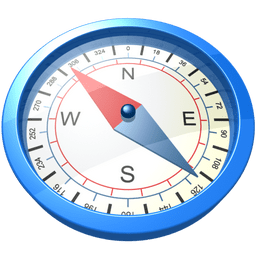
Imagine a compass. While there are 360 degrees of options for one to move, first we generalize by saying we are moving north, east, south or west. Mission describes the general directions we need to move in order to fulfill our vision or call from God. Theologically, mission guides our activity as holy communion shapes our actions, taking the bread and the cup so we can become the Body of Christ.
 Structure, our third tool, has to do with how we organize ourselves to get things done. Structure must be adjusted as a church grows or else it might inhibit that growth. It helps us make decisions and find the resources needed to be successful, including facilities, finances and leadership.
But choose carefully the structure that governs your ministry because this tool can either be a help or a hindrance to fulfilling vision. We will examine four structures and how each limits or encourages growth and development. The ordering of the church is an important theological discernment issue as we strive to do God's will in the community where we live.
 Finally, Strategy harnesses the energy and resources a church can bring to bear in order to fulfill God's vision. Strategy asks what are the next steps we need to take to complete the mission and fulfill the vision. Identifying next steps requires mid-range and short-term planning, usually covering a three month to three year time frame. In a year, we can move four steps closer to fulfilling our vision and in three years, we can take 12 steps.
Over the next few weeks, we will examine these tools in more detail to gain a shared understanding of their meaning. With biblical examples, we will see how people of faith have used these tools to benefit God's will being done on earth as it is in heaven.
What threatens this process is that change breeds uncertainty, which builds distrust, but throughout scriptures we find God saying, "Fear not, for I am with you." Jesus said where two or three are gathered in his name, he will be with us. As a group of committed Christians who have the desire to follow Christ, let us begin now praying that our retreat will be for the glory of God.
If we could all agree to pray for this process three times a week whenever we have lunch, that will help us feel connected even if not together physically. Pray that we can discern how best to use the tools of vision, mission, structure and strategy to lead and grow our church. These tools work together to build hope and faith and peace in our world just as skilled carpenters use hammers and saws and nails to build a house.
 |
| Author Glenn Catley with family at the beach in Lewes |
Outline of this series of blogs:
- Introduction: Speaking the Same Language
- Understanding Vision in the Church
- Understanding Mission in the Church
- Understanding the Importance of Structure
- Understanding Strategy in the Church
- The Importance of Trust and Creativity
